Giving Nature a Voice: An International Conversation on the Future of Lake Naivasha
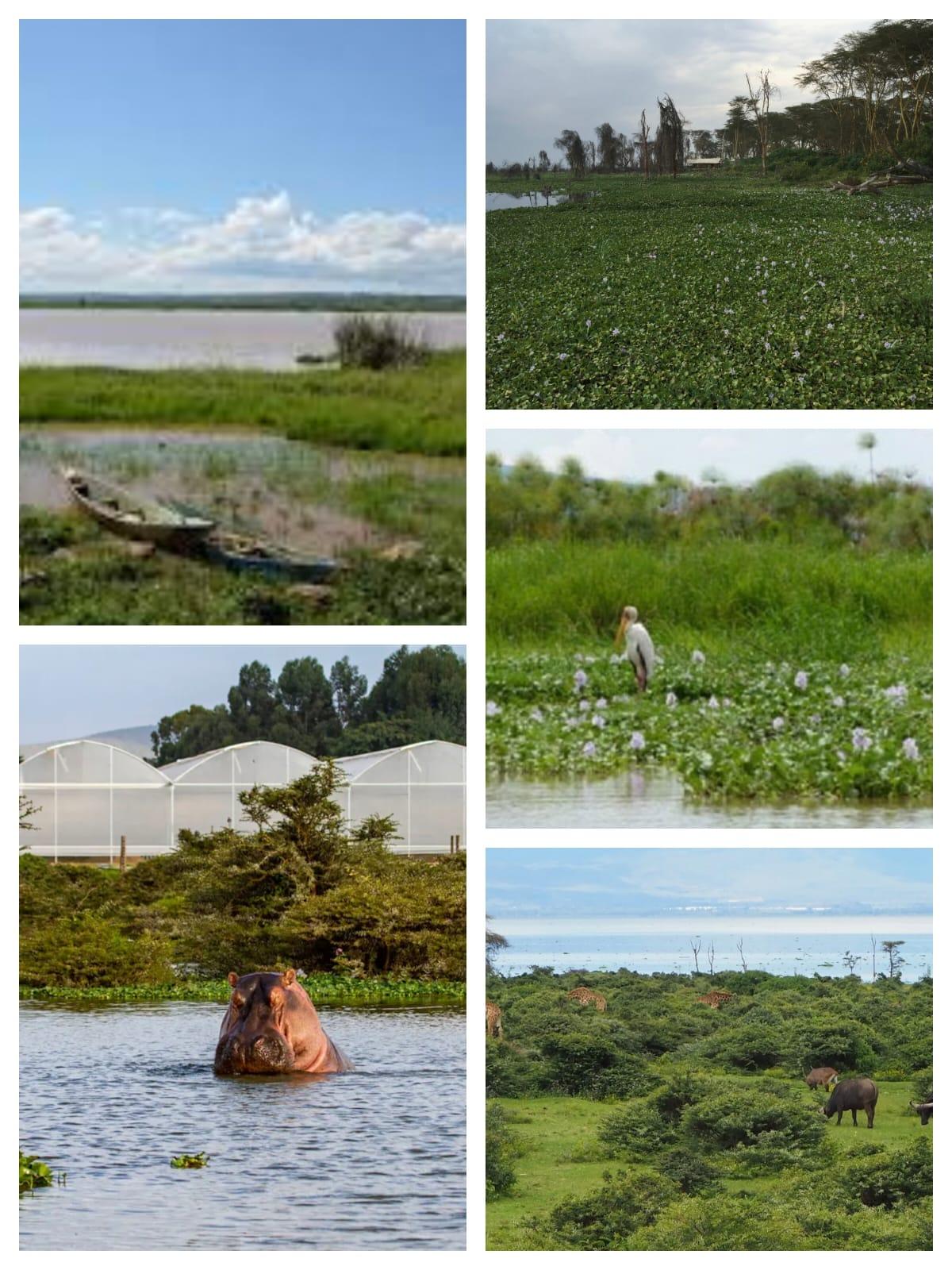
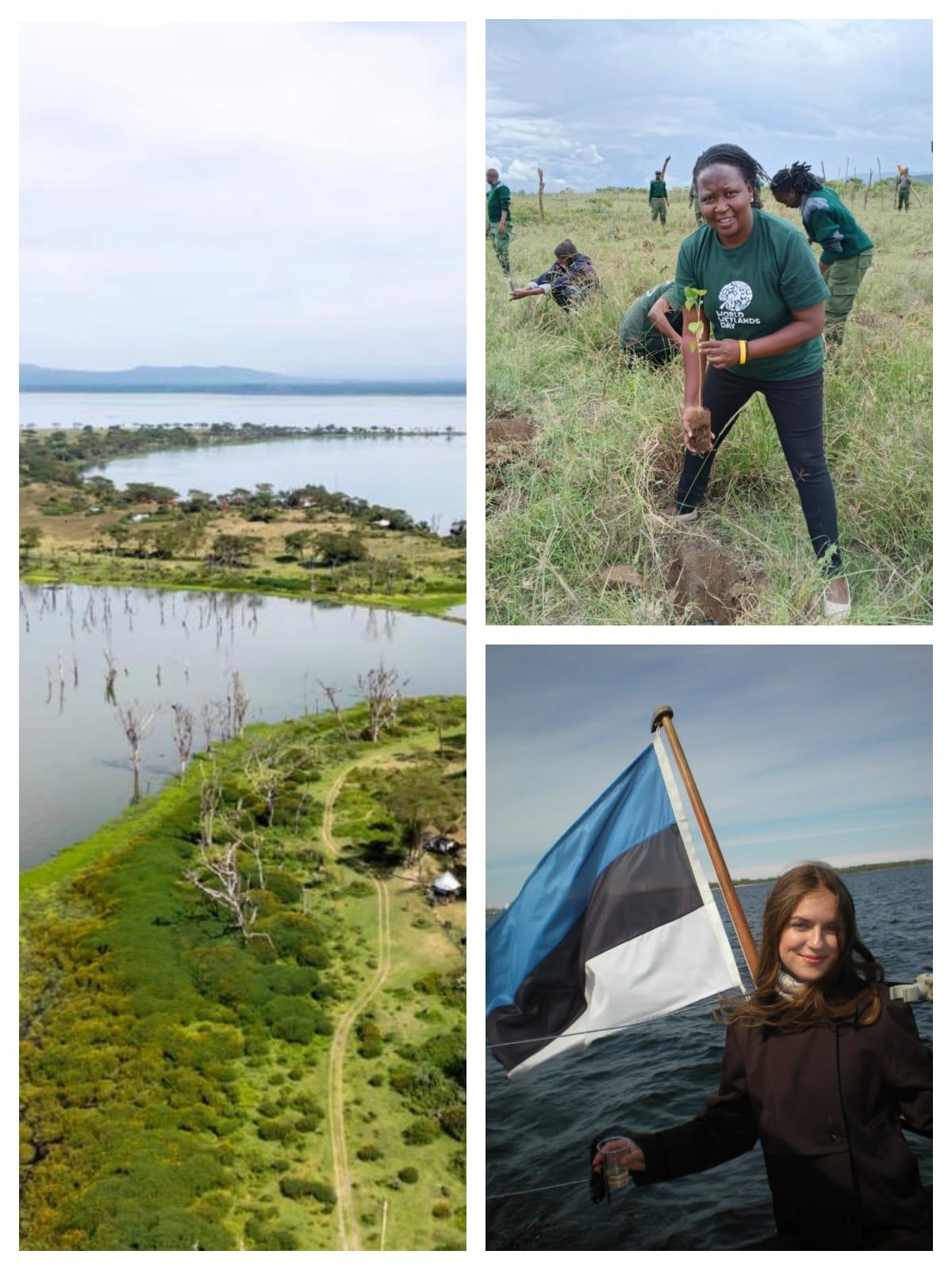
A collection of moments highlighting Lake Naivasha's natural beauty, community-led conservation efforts, and international environmental engagement. The photographs feature the Lake Naivasha landscape, Dorcas Musyoka of Team Climate Change Naivasha participating in a tree-planting activity, and Anete, a journalist from Estonia, pictured with the Estonian flag during her visit.
Giving Nature a Voice: An International Conversation on the Future of Lake Naivasha
By Dorcas Musyoka | Team Climate Change Naivasha
Lake Naivasha's ecological future continues to attract attention beyond Kenya's borders, highlighting the importance of international dialogue and collaboration in addressing environmental challenges facing freshwater ecosystems.
Recently, Team Climate Change Naivasha had the opportunity to engage with Anete, a journalist from Estonia, in an insightful discussion focusing on biodiversity conservation, agricultural practices, and the sustainability of Lake Naivasha.
The conversation explored several important environmental issues, including responsible chemical management, wastewater management, agricultural runoff, and the protection of wetlands and aquatic ecosystems. These issues remain central to discussions about the long-term health of Lake Naivasha and the wider Naivasha Basin.
Particular attention was given to the relationship between agricultural production and environmental sustainability. The flower industry, for instance, plays an important role in supporting employment, livelihoods, and economic development in the Naivasha region. However, sustaining these economic benefits also requires responsible environmental management, effective wastewater treatment, careful chemical use, and continuous monitoring of potential impacts on surrounding ecosystems.
The discussion recognized that environmental conservation and economic development should not be viewed as competing priorities. Instead, collaboration among agricultural producers, local communities, researchers, government institutions, and conservation organizations' is essential to achieving a balance that protects biodiversity while sustaining livelihoods.
Lake Naivasha is an important freshwater ecosystem, supporting diverse biodiversity, local livelihoods, tourism, and agricultural activities. Its ecological well-being is closely connected to the health of surrounding wetlands, rivers, and catchment areas. Protecting the lake therefore requires collective responsibility and a long-term commitment to sustainable resource management.
At Team Climate Change Naivasha, we believe that meaningful environmental progress begins with informed communities, constructive engagement, knowledge exchange, and partnerships that translate environmental awareness into practical action.
Engagements such as this provide valuable opportunities to share local perspectives, bring attention to environmental challenges, and strengthen conversations around the protection of ecosystems that are important both locally and globally.
We appreciate the opportunity to contribute to this international conversation and look forward to continued engagement with individuals and organizations' working towards a more sustainable future.
Our biodiversity is our heritage. Our environment is our shared responsibility.
Team Climate Change Naivasha Empowering Communities. Conserving Nature.