Before the Rains: Is Naivasha Prepared for Flooding?
Before the Rains: Is Naivasha Prepared for Flooding?
As Naivasha enters the October–December 2026 rainy season, flood preparedness should be a priority for households, communities, businesses and institutions.
Kenya Meteorological Department’s October–December 2026 seasonal outlook provides important information for planning and preparedness during the short-rains season. With increased rainfall expected in several parts of the country, households and communities have an opportunity to take practical steps to reduce flood risks before heavy rainfall occurs.
For Naivasha, this is particularly important because flooding can affect homes, businesses, roads, farms, livelihoods, water and sanitation systems, and community safety.
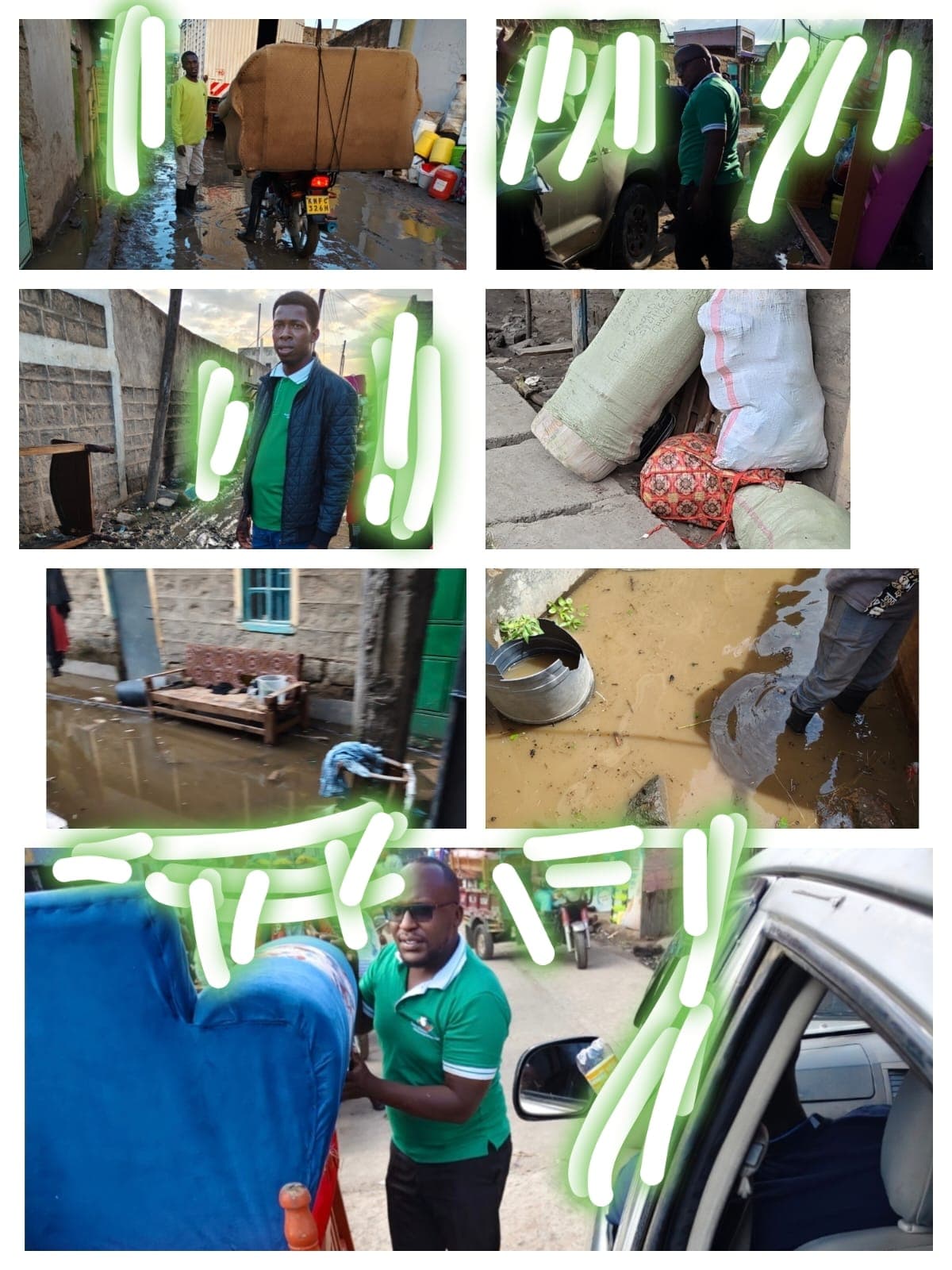
The flooding experienced in areas such as Kihoto in 2025 provides a reminder of what heavy rainfall can mean for communities. The photograph accompanying this article captures one example of the impacts that flooding can have on local residents.
Why Does Flooding Become a Bigger Problem?
Heavy rainfall is a major driver of flooding, but the severity of its impacts can also be influenced by conditions on the ground.
Blocked or inadequate drainage can prevent water from flowing away quickly. Poor waste disposal can obstruct drainage channels and waterways. The degradation of wetlands, natural vegetation and other areas that help absorb or slow water can increase surface runoff.
Development and infrastructure in areas exposed to flooding can also increase the potential for damage.
This means that reducing flood risk is not only about responding when heavy rain arrives. It is also about how we manage our environment, infrastructure and communities before the rain comes.
What Can Households and Businesses Do Before the Rains?
Flood preparedness starts with simple actions.
Keep drainage channels around homes, businesses and institutions clear of rubbish, soil and other materials that can obstruct water flow.
Never dump waste in drainage channels, rivers, wetlands or other waterways. Waste that appears harmless on dry days can become a serious obstruction when heavy rain arrives.
Know your local flood risk. Consider whether your home, business, school or community is close to a river, drainage channel, wetland or other low-lying area.
Identify safe routes to higher ground and discuss in advance where family members can go if flooding becomes dangerous.
Prepare a basic emergency kit containing drinking water, essential food, medicines, a flashlight, batteries, important documents and emergency contacts.
Keep important documents, valuables and electrical equipment in safe locations, preferably above areas that could be reached by floodwater.
Follow reliable weather forecasts and official warnings. Early information is most useful when it leads to early action.
What Should We Do During Flooding?
When flooding occurs, safety must come first.
Move to higher and safer ground if your home or location is threatened.
Never walk or drive through moving floodwater. Water can be deeper and stronger than it appears, and roads, bridges and other structures may have been damaged underneath the water.
Keep children away from flooded rivers, drainage channels, bridges and other dangerous areas.
Avoid contact with electrical installations and equipment exposed to water. If electricity needs to be switched off, this should only be done where it is safe to do so.
Follow instructions from emergency responders and local authorities.
Where it is safe, check on neighbours who may need additional assistance, particularly older people, children and people with disabilities.
What Happens After the Flood?
The danger does not necessarily end when the water begins to recede.
Floodwater can contain sewage, chemicals, waste and other contaminants. Avoid unnecessary contact with floodwater and do not drink water from a source that may have been contaminated until its safety has been confirmed.
Be cautious around damaged buildings, roads, bridges and electrical infrastructure.
Report damaged infrastructure and other hazards to the relevant authorities.
During clean-up, do not push waste, mud or debris back into drainage channels, rivers or wetlands. Doing so can increase the risk of flooding during the next rainfall.
Communities can also document flood impacts safely and use the experience to identify what worked, what failed and what needs to be improved.
Building a Flood-Resilient Naivasha
Household preparedness is essential, but it cannot address flooding on its own.
A flood-resilient Naivasha requires cooperation between communities, government institutions, businesses, environmental organizations, schools and other stakeholders.
Drainage systems need to be maintained and improved where necessary. Waste management must prevent rubbish from entering waterways. Wetlands and other natural water pathways need to be protected and restored. Development and land-use decisions should take flood risks into consideration, while infrastructure should increasingly be designed to withstand changing climate and rainfall conditions.
Early-warning systems are equally important. Weather and climate information needs to reach communities in a timely, understandable and actionable form so that people can make decisions before hazards become emergencies.
Communities also have an important role. Local residents can help identify flood-prone areas, participate in responsible clean-up activities, protect waterways, share reliable warnings and support vulnerable neighbours.
What Can Naivasha Do Now?
Before the rains intensify, there are practical steps we can take.
Households can clear drainage around their properties, secure important belongings, prepare emergency supplies and discuss safe evacuation routes.
Communities can identify vulnerable areas, protect natural water pathways, discourage dumping and establish ways of sharing reliable early warnings.
Businesses and institutions can inspect drainage around their premises, protect critical equipment and review their emergency plans.
Environmental organizations and community groups can support public education, restoration of natural ecosystems, responsible waste management and community preparedness.
Government and other responsible institutions can continue strengthening drainage, early-warning systems, infrastructure, land-use planning and coordinated emergency response.
Flood preparedness is a shared responsibility.
The goal should not simply be to respond better after flooding occurs. It should be to reduce avoidable risks before the water arrives.
A Safer and More Resilient Naivasha
Naivasha's environment and communities are closely connected. Protecting wetlands, waterways, vegetation and other natural ecosystems also contributes to protecting people and livelihoods.
Preparedness does not mean predicting exactly where or when flooding will occur. It means recognizing the risks, acting on available information and taking reasonable steps before an emergency happens.
The coming rainy season is an opportunity for all of us to strengthen that preparedness.
Flood preparedness should not begin when the water arrives. It should begin before the rains.
Together, we can build a safer, more resilient and environmentally responsible Naivasha.
Team Climate Change Naivasha (TCCN)
Empowering Communities. Conserving Nature.
Healthy Wealthy Society.